


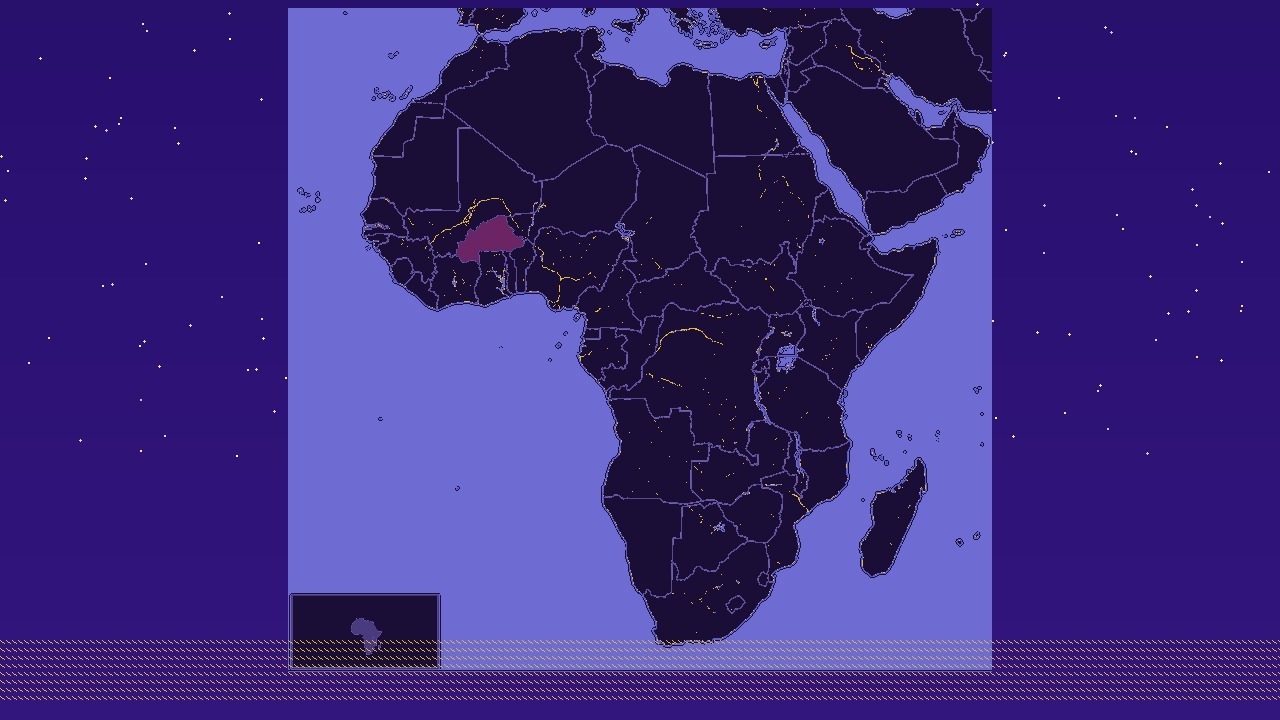

On 29 July 1987, at the Organization of African Unity summit in Addis Ababa, Captain Thomas Sankara of Burkina Faso stood before African heads of state and refused to treat Africa’s debt as a private shame. He named it what he believed it was: a system that turned political independence into financial captivity.
He did not speak only about numbers. He spoke about dignity.
Debt as reconquest
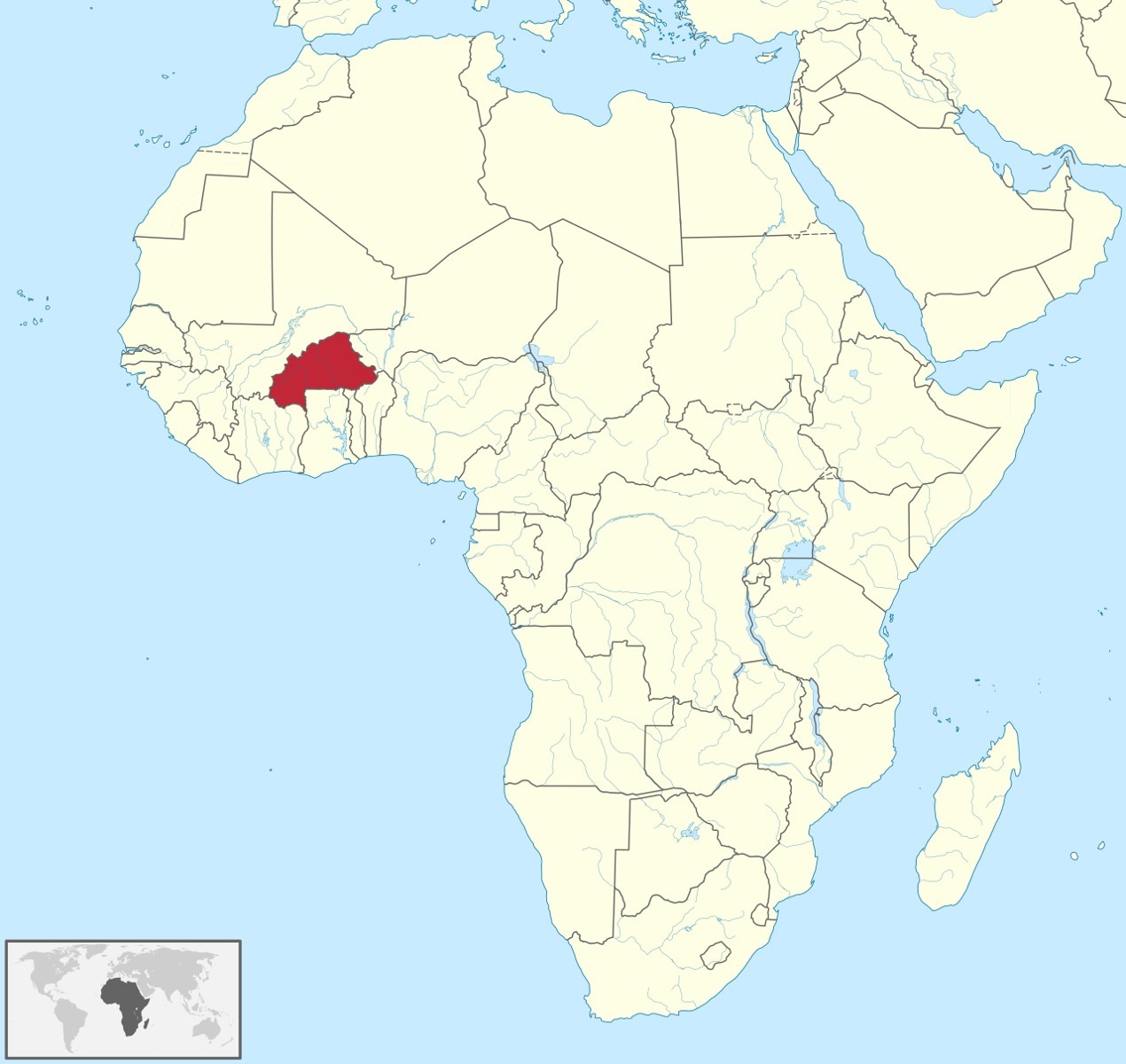
Sankara traced the debt back to colonialism. Those who lent, he argued, were tied to those who had ruled. Under its present form, he said, debt was “a skillfully managed reconquest of Africa,” meant to make growth obey foreign rules until each nation became “the financial slave” of those who placed the money with the obligation to repay.
He rejected the idea that repayment was simply a matter of honor. “Debt cannot be repaid, first because if we don’t repay, lenders will not die. That is for sure. But if we repay, we are going to die. That is also for sure.”
These lines are from his OAU address “A United Front Against Debt,” delivered in French in Addis Ababa on 29 July 1987. English readers can find an attributed translation on the Marxists Internet Archive, modified from Viewpoint Magazine’s Creative Commons edition.
Not a single thread from elsewhere

Then Sankara turned from refusal to creation. He asked Africa to make its own market: produce in Africa, transform in Africa, consume in Africa. Burkina Faso’s delegation, he said, wore cotton grown, woven, and sewn at home.
“Our delegation and I are dressed by our weavers, our peasants. There is not a single thread coming from Europe or America.”
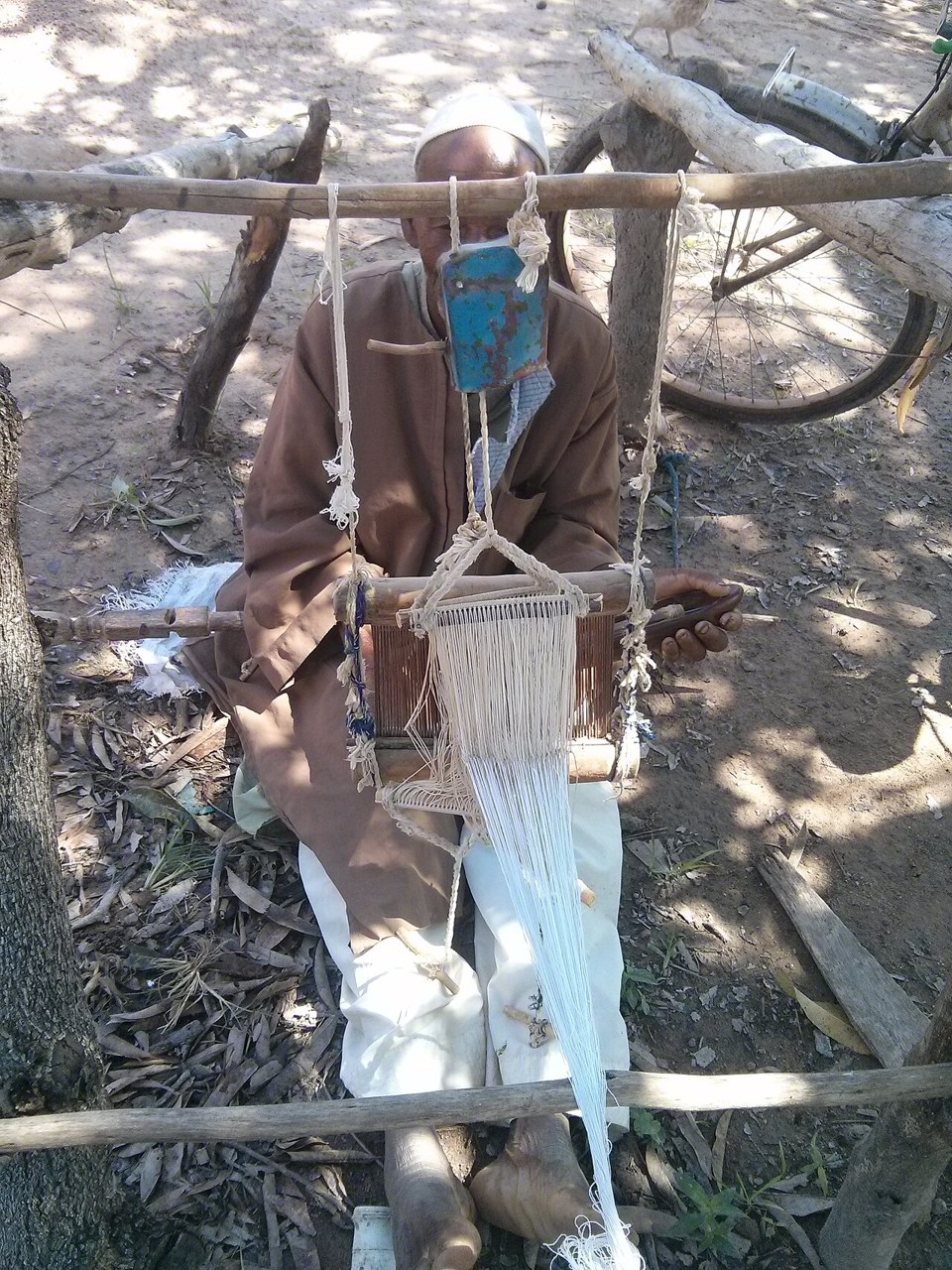
He closed the thought without fashion talk: “we must accept to live as African — that is the only way to live free and dignified.”
That is the heart of today’s reminder. Self-determination is not only a flag. It is what we grow, weave, build, teach, heal, and own.
Why this still matters

For Africans on the continent, Sankara’s lesson points toward local industry, regional trade, and the courage to say that development built on permanent dependence is not development. For Black Americans and the wider diaspora, it rhymes with older Pan-African calls — from Marcus Garvey’s “Africa for the Africans” to every community that has tried to feed itself, employ itself, and tell its own story.
We do not need to copy 1987. We do need the same spine: refuse to confuse survival with surrender, and build what we can with our own hands.
Three practical questions for this week:
- What do we already produce — food, craft, code, care, culture — that we undervalue because it is “local”?
- Where can we buy, hire, teach, or partner inside the African world before we look elsewhere?
- What habit of dependence can we replace with one act of ownership this month?
Sankara’s clothes were a sermon without a microphone. Not a single imported thread. Freedom, he insisted, has to be worn as well as spoken.
Watch: Thomas Sankara’s OAU debt speech (Addis Ababa, 29 July 1987) — https://www.youtube.com/watch?v=e8PCuwBnhtk
Sources: Thomas Sankara, “A United Front Against Debt,” OAU summit, Addis Ababa, 29 July 1987 (English translation via Viewpoint Magazine / Marxists Internet Archive, modified from the Viewpoint edition). Additional context: Sankara’s 4 October 1984 address to the UN General Assembly.
Recommend0 recommendationsPublished in Write About It









You must be logged in to post a comment.