


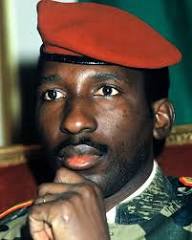

African unity is not a slogan for conference halls. It is a practical path to dignity — how we trade, how we build, and how we refuse to live forever as someone else’s market.
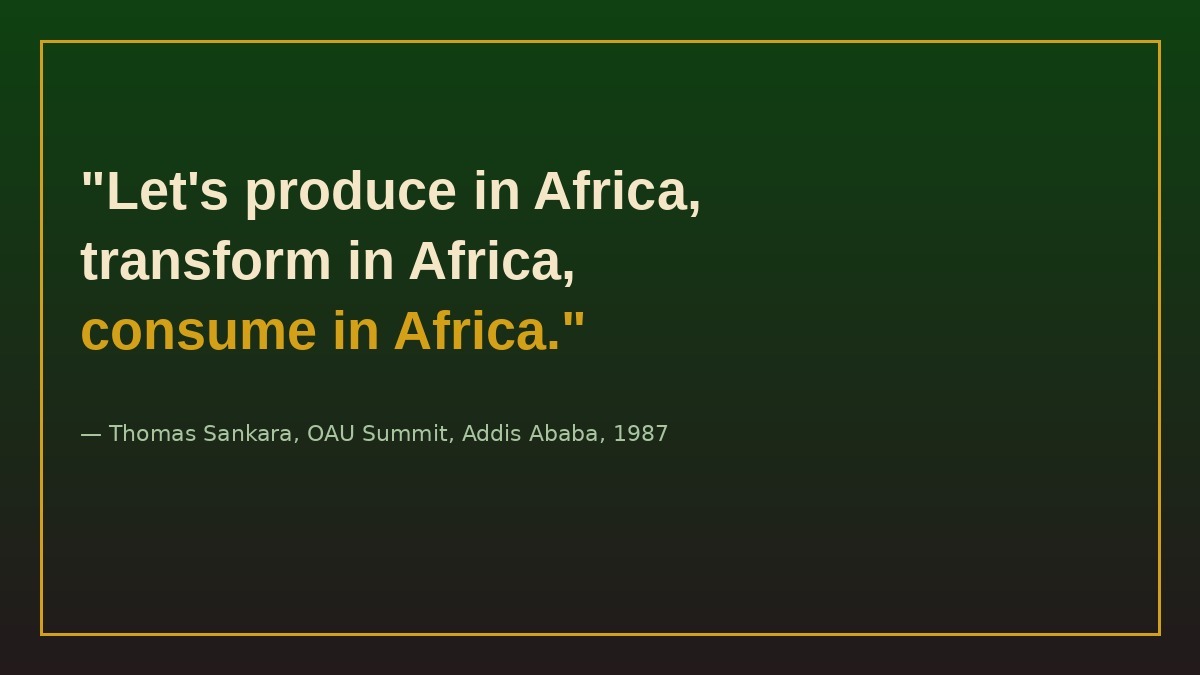
In July 1987, at the Organisation of African Unity summit in Addis Ababa, Thomas Sankara put it plainly: “Let’s produce in Africa, transform in Africa, consume in Africa.” He added that Africans should undertake to live as Africans — “the only way to live free and to live in dignity.” Those words were not nostalgia. They were a blueprint for economic self-determination.
Today, that blueprint has a continental instrument: the African Continental Free Trade Area (AfCFTA). Signed in Kigali in 2018, entering into force in 2019, and opening for trading in January 2021, AfCFTA is one of Agenda 2063’s flagship projects. Its aim is straightforward and historic — make it easier for African goods, services, and businesses to move across African borders, so the continent can speak with a stronger voice in world trade.
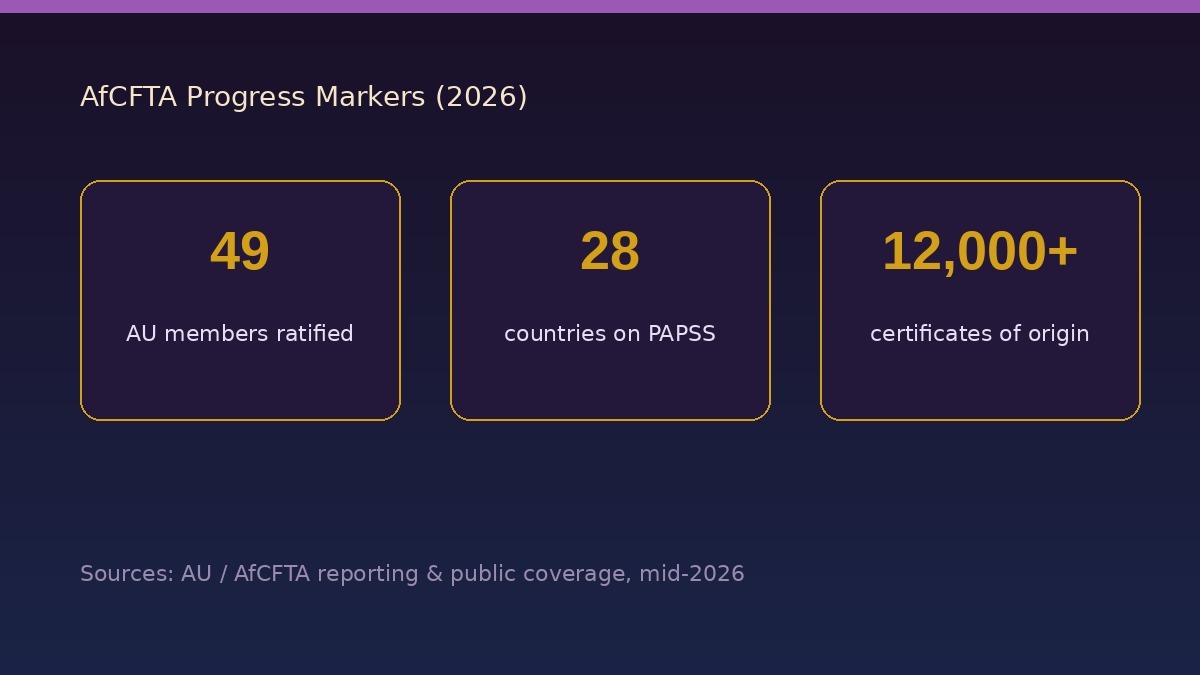
Progress is real, and still unfinished. By mid-2026, public reporting indicated that 49 of 54 signatory states had deposited instruments of ratification (Eritrea remaining outside the signature circle). The Guided Trade Initiative has expanded participation. The AfCFTA Secretariat has reported thousands of certificates of origin in use — a practical signal that preferential trade is being claimed, not only debated. The Pan-African Payment and Settlement System (PAPSS) has been connecting more countries, banks, and payment switches so cross-border payments can clear in African currencies rather than always routing through foreign intermediaries.
None of this erases the hard work still ahead: customs modernization, non-tariff barriers, incomplete tariff schedules, and uneven domestic implementation. A free-trade area on paper becomes freedom in practice only when a small producer in Accra, a manufacturer in Nairobi, or a tech firm in Lagos can ship, get paid, and compete without drowning in delay. That is why customs reforms, digital trade protocols, and payment rails matter as much as the treaty itself.
For Pan-Africans, Africans on the continent, and Black communities in the diaspora, AfCFTA is more than policy. It is a chance to rebuild what colonial borders fractured — supply chains that keep value at home, industries that employ our youth, and markets that reward African creativity. Sankara’s challenge still stands: produce what we need, consume what we produce, and build unity against what divides us from outside and within.
Watch: The African Union’s explainer on the African Continental Free Trade Area
https://www.youtube.com/watch?v=zIhe6DN0hGE
Stay awake. Trade with intention. Support African enterprise. Teach the next generation that unity is not waiting for permission — it is work we do with our hands, our capital, and our conscience.
— Soul Journey of Life / Light Dome
Abdulwadud David Lee Cudgel (QUESTMAN)





You must be logged in to post a comment.