



Pan-African unity is older than our hashtags and deeper than our conferences. It is a living demand that our people — on the continent and across the diaspora — prepare ourselves, respect ourselves, and refuse to be defined by someone else’s borders.
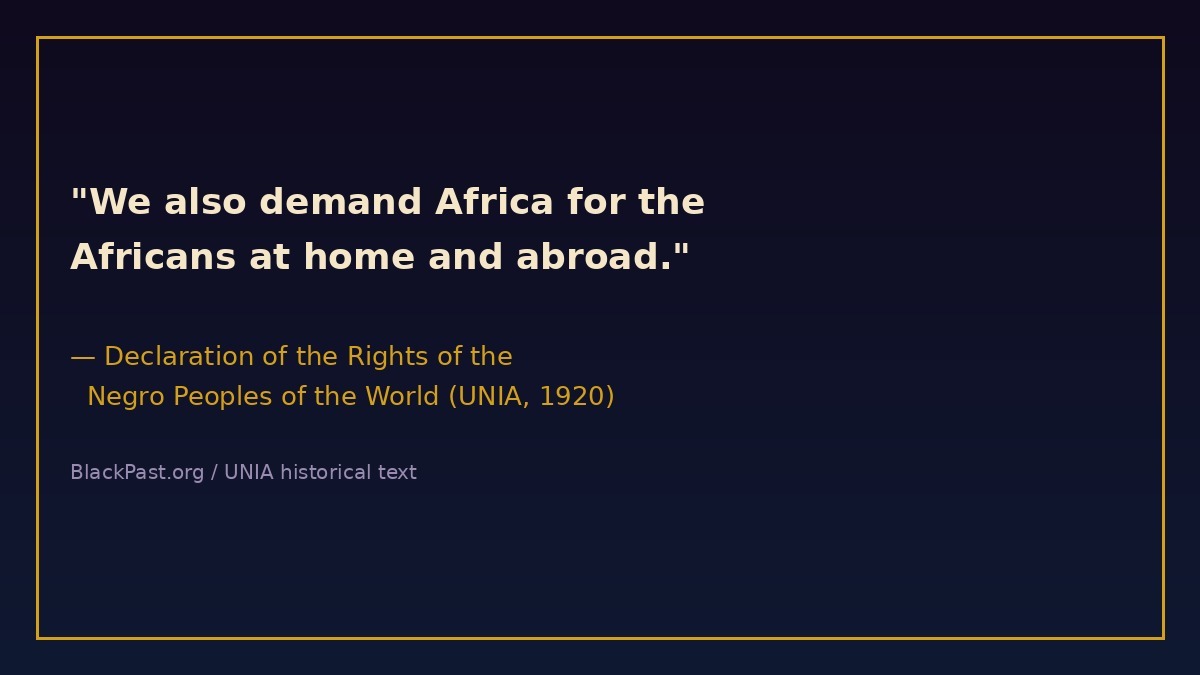
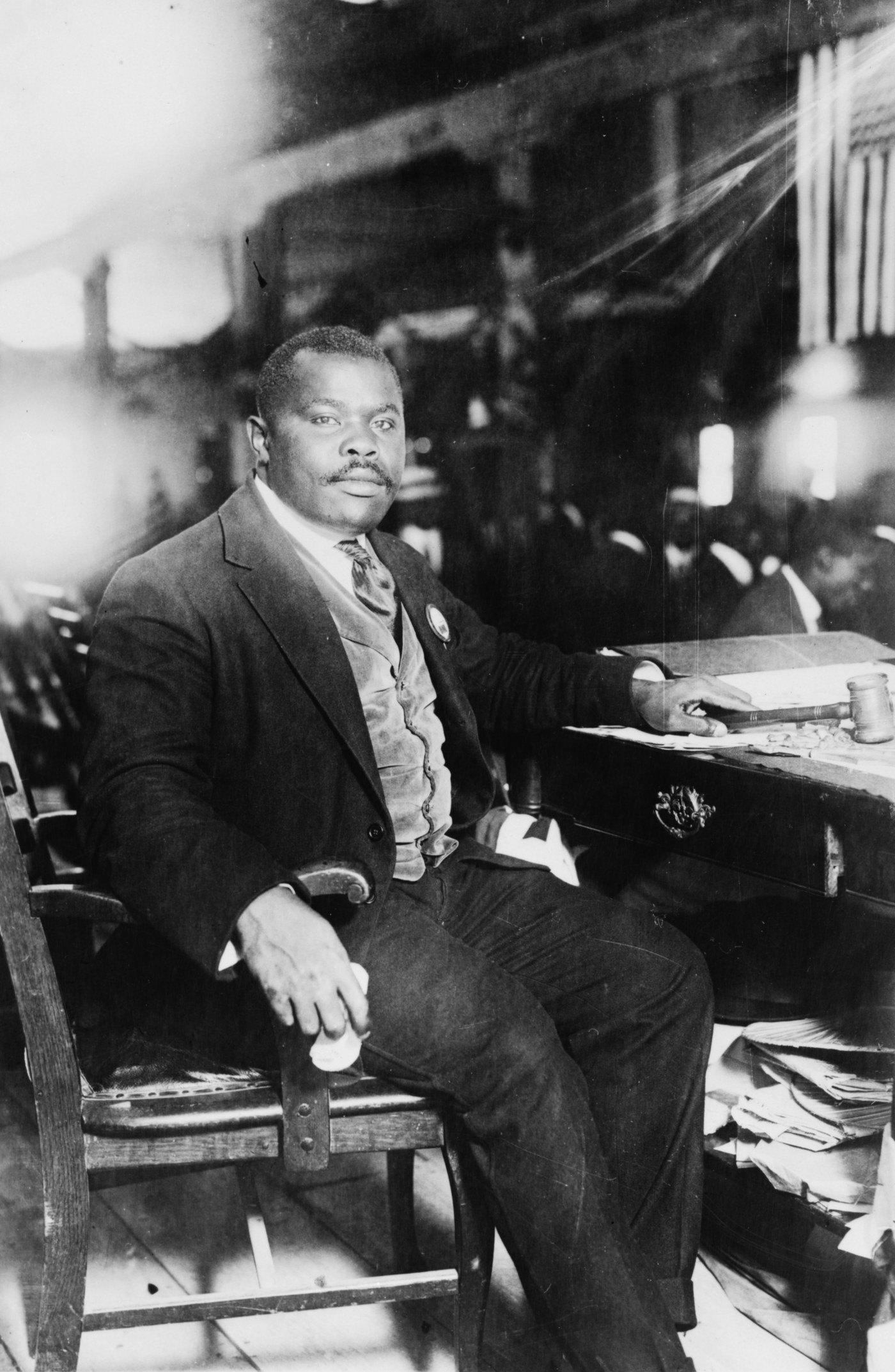
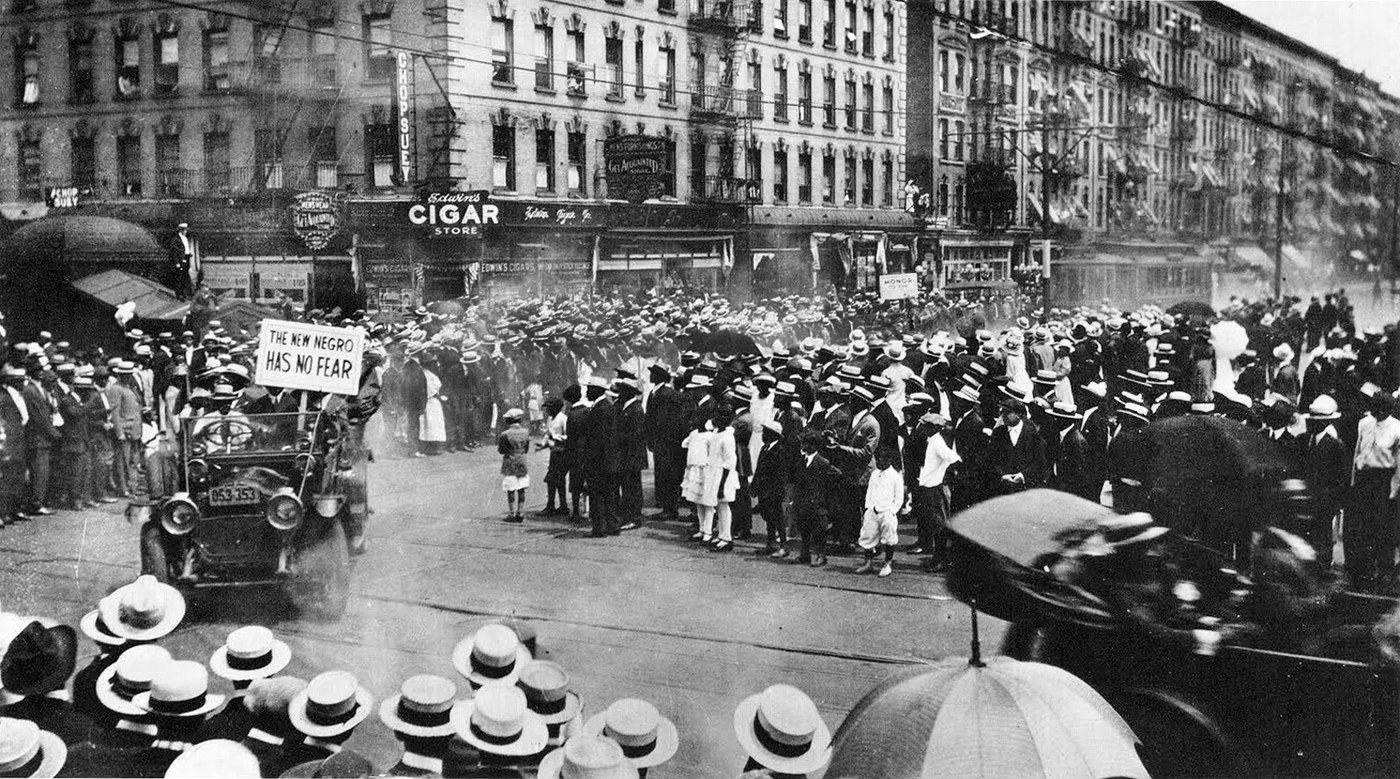
In August 1920, at Liberty Hall in New York, the Universal Negro Improvement Association (UNIA) adopted the Declaration of the Rights of the Negro Peoples of the World. Point 13 of that declaration states: “We believe in the freedom of Africa for the Negro people of the world, and by the principle of Europe for the Europeans and Asia for the Asiatics, we also demand Africa for the Africans at home and abroad.” That sentence, often shortened to Garvey’s famous call, was not poetry for a parade. It was a charter of self-determination.
Marcus Mosiah Garvey, born in Jamaica in 1887, built the largest mass movement of people of African descent in the early twentieth century. Through the UNIA and African Communities League, chapters rose across the Americas, the Caribbean, Europe, and Africa. His message was practical: racial pride, economic organization, education, and preparation for power. PBS’s American Experience notes that Garvey’s teachings became a main ideological current feeding later Pan-African work — including the spirit that animated the 1945 Manchester Pan-African Congress and inspired independence leaders such as Kwame Nkrumah, whose Ghana would later fly a Black Star recalling Garvey’s maritime dream.What still matters for Soul Journey of Life villagers today is not costume history — it is method. Garveyism insisted on preparation: know your history, build institutions, control resources, educate the young, and link the diaspora to the Motherland as one people. Point 27 of the same 1920 Declaration affirms: “We believe in the self-determination of all peoples.” Point 30 demands “an unlimited and unprejudiced education for ourselves and our posterity forever.” Unity without readiness is sentiment. Readiness without unity is lonely struggle. Garvey pressed for both.
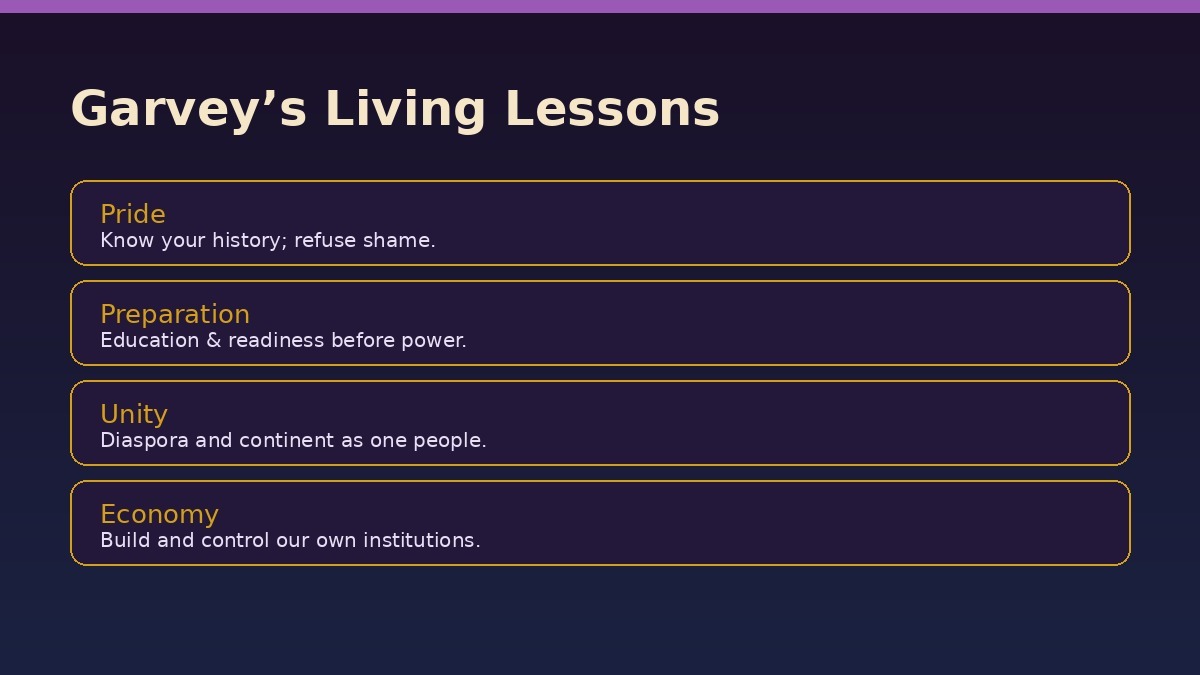
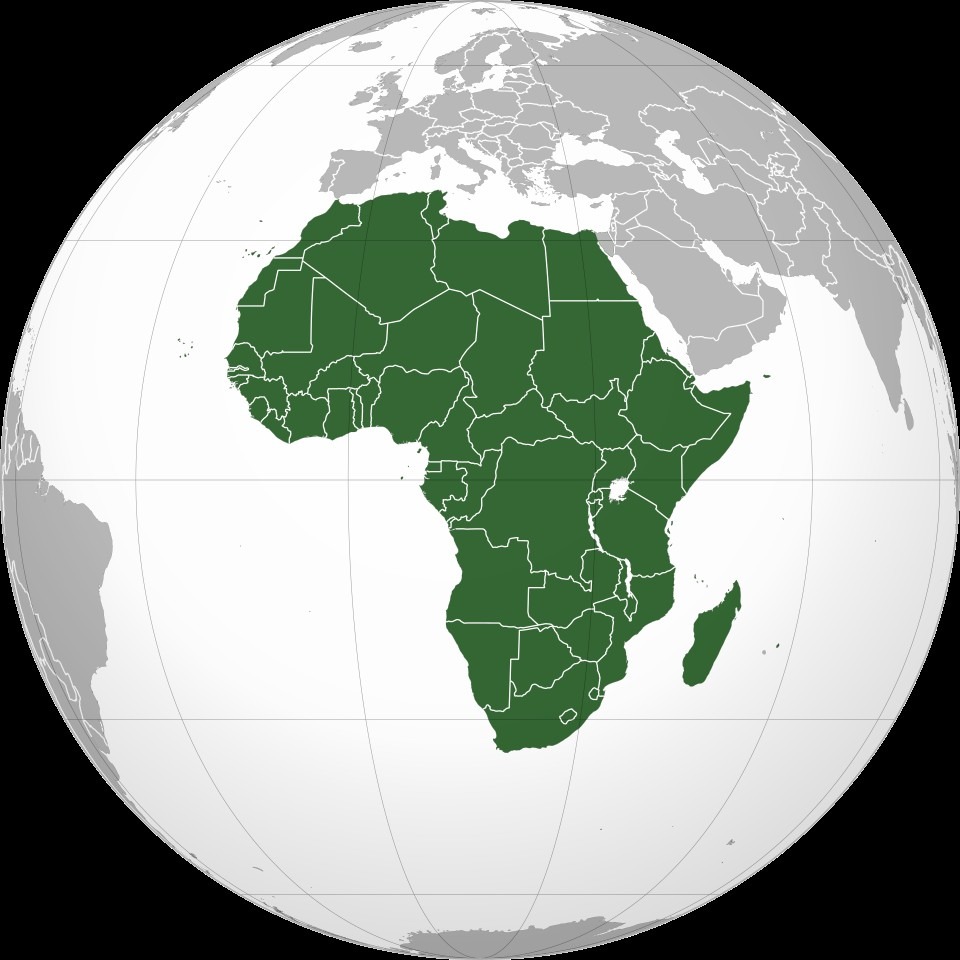
For Africans on the continent, African Americans, Caribbeans, and the wider Black world, the work continues in quiet, serious forms: supporting African enterprise, teaching accurate history, healing community health, building trade and tech that keep value among us, and remembering that dignity is practiced daily — not leased from empires. Garvey’s challenge still stands under one sky: prepare, unite, and claim the future with our own hands.
Watch: Marcus Garvey and the Universal Negro Improvement Association (NBC News Learn)
https://www.youtube.com/watch?v=Z7EvBgb_RoI
Stay awake. Teach the children. Build with intention. Africa for the Africans — at home and abroad — begins wherever we refuse to forget who we are.
— Soul Journey of Life / Light Dome
Abdulwadud David Lee Cudgel (QUESTMAN)



You must be logged in to post a comment.